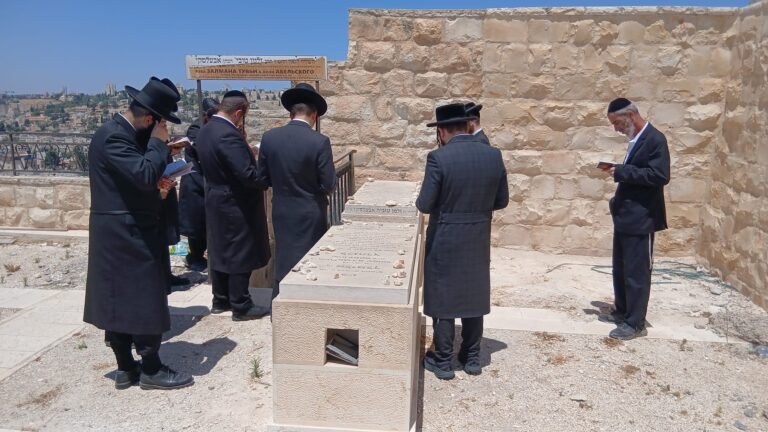
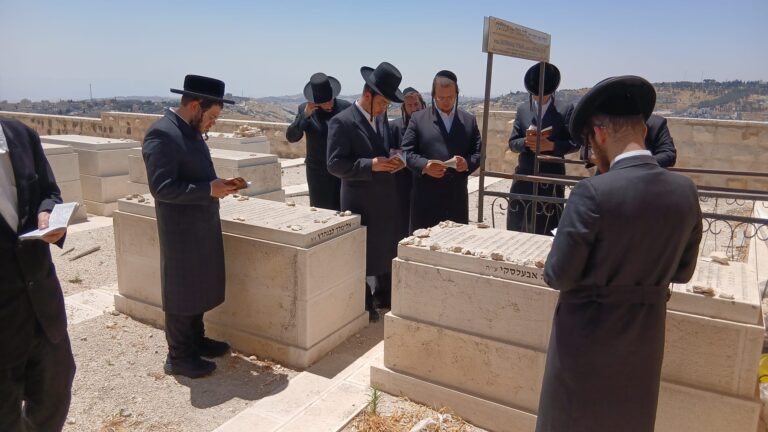
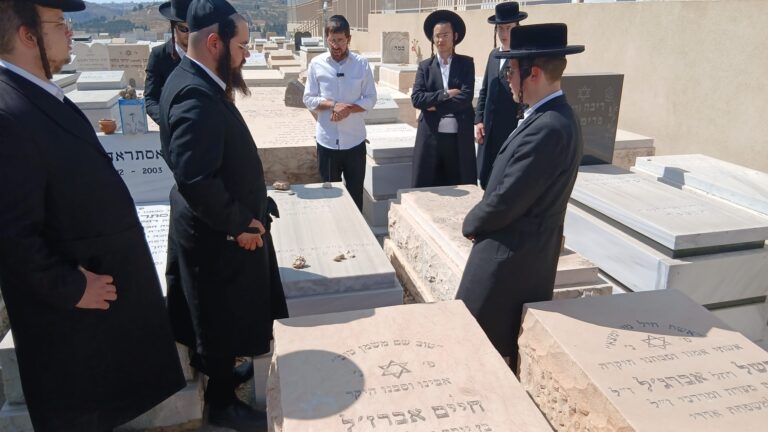
Hakamat Matzeiva: The Unveiling of a Headstone in Israel
The setting of a headstone over a grave — hakamat matzeiva, often called an “unveiling” — is an act of honor for the departed. The matzeiva marks the place so it is not forgotten, allows the family and future generations to find and visit the grave, and serves, in the words of the commentators, as a remembrance for the soul.
When Is the Matzeiva Set?
Customs differ. In Israel, and in Jerusalem in particular, many families set the stone at the end of the shloshim (thirty days). In many communities abroad it is customary to wait until close to the first yahrzeit. Some wait the full twelve months. The family should follow its own custom, or ask its rav.
Practical matters also play a role: in Jerusalem’s cemeteries the chevra kadisha that manages the section sets rules about the size, design and timing of headstones, and stonemasons need time to engrave and install the stone.
The Order of the Ceremony
There is no single fixed text, but the common order in Jerusalem is:
- Tehillim: many say Psalms 33, 16, 17, 72, 91, 104 and 130 (see which Tehillim are said at the grave)
- The verses of Psalm 119 that spell the name of the departed and the word neshama (generate them here)
- A few words of remembrance or Torah from a family member or rav
- Kaddish, which requires a minyan of ten men
- El Malei Rachamim (or Hashkava in Sephardic custom)
The covering cloth, if one is used, is removed at the beginning. In Israel many families do without a cloth altogether.
Customs at the Grave
Those present often place a small stone on the matzeiva as a sign that the grave was visited. Before leaving the cemetery, it is customary to wash the hands. Kohanim do not enter the cemetery and should ask their rav how they may take part. For more, see our guide to customs when visiting a Jewish grave.
When the Family Lives Abroad
Many families arrange a headstone for a parent buried in Jerusalem while living in America, England or Australia. The engraving and installation can be managed from afar, but the ceremony itself still requires people at the grave — and Kaddish requires a minyan.
We can bring a full minyan of yeshiva students to the grave on the day of the unveiling, say the Tehillim, Kaddish and El Malei Rachamim, and send photos and live video on WhatsApp so the family can see the new stone and hear the prayers. Families who are flying in often ask us to complete the minyan, since gathering ten men at a weekday ceremony is not always easy.
After the Unveiling
Once the stone is set, the family can return every year on the yahrzeit. If you cannot be there in person, we can visit on your behalf each year. Start by confirming the date with our guide on finding the yahrzeit date.
Arrange a Minyan at the Grave
If you live abroad and cannot be in Jerusalem, our team of yeshiva students can be there for you: a full minyan at the grave, Tehillim by the letters of the name, Kaddish and El Malei Rachamim, with photos and video sent to you on WhatsApp. See our services or message us on WhatsApp to arrange a visit.